Your Environment & Sustainability Journey at Georgetown
Georgetown’s BS in Environment & Sustainability brings together environmental science, policy, justice, ethics, and culture, with opportunities to put that learning into practice in Washington, DC and around the world. BS-ES gives students a strong scientific foundation and the flexibility and support to pursue the environmental questions that matter most to them.
The BS in Environment & Sustainability Is Built Across Disciplines
Climate change is a scientific challenge. It is also a question of policy, economics, health, justice, culture, and human behavior. The same is true of any environmental challenge, including biodiversity loss, water security, food systems, energy, and pollution. The BS-ES is organized around that reality: the aim is to learn how to understand complex problems, make connections across fields, and determine where your own interests can have the biggest impact. Students develop a foundation in environmental science while learning to approach environmental questions from multiple perspectives, including Environmental Science, Environmental Governance, Environmental Justice, and Environmental Culture, drawing on expertise across Georgetown.
Students build an interdisciplinary foundation on Georgetown’s Hilltop Campus through environmental science and labs, ethics, environmental justice, and theories of change. Along the way, they develop practical skills such as data collection and analysis, field research, GIS, remote sensing, and scientific communication.
Students build on that foundation through a “Custom Pathway” connecting coursework, professional experience, environmental immersion, and a culminating capstone. Students draw across four Areas of Study—Environmental Governance, Environmental Science, Environmental Justice, and Environmental Culture—to create a path that reflects their interests and where they want to go.
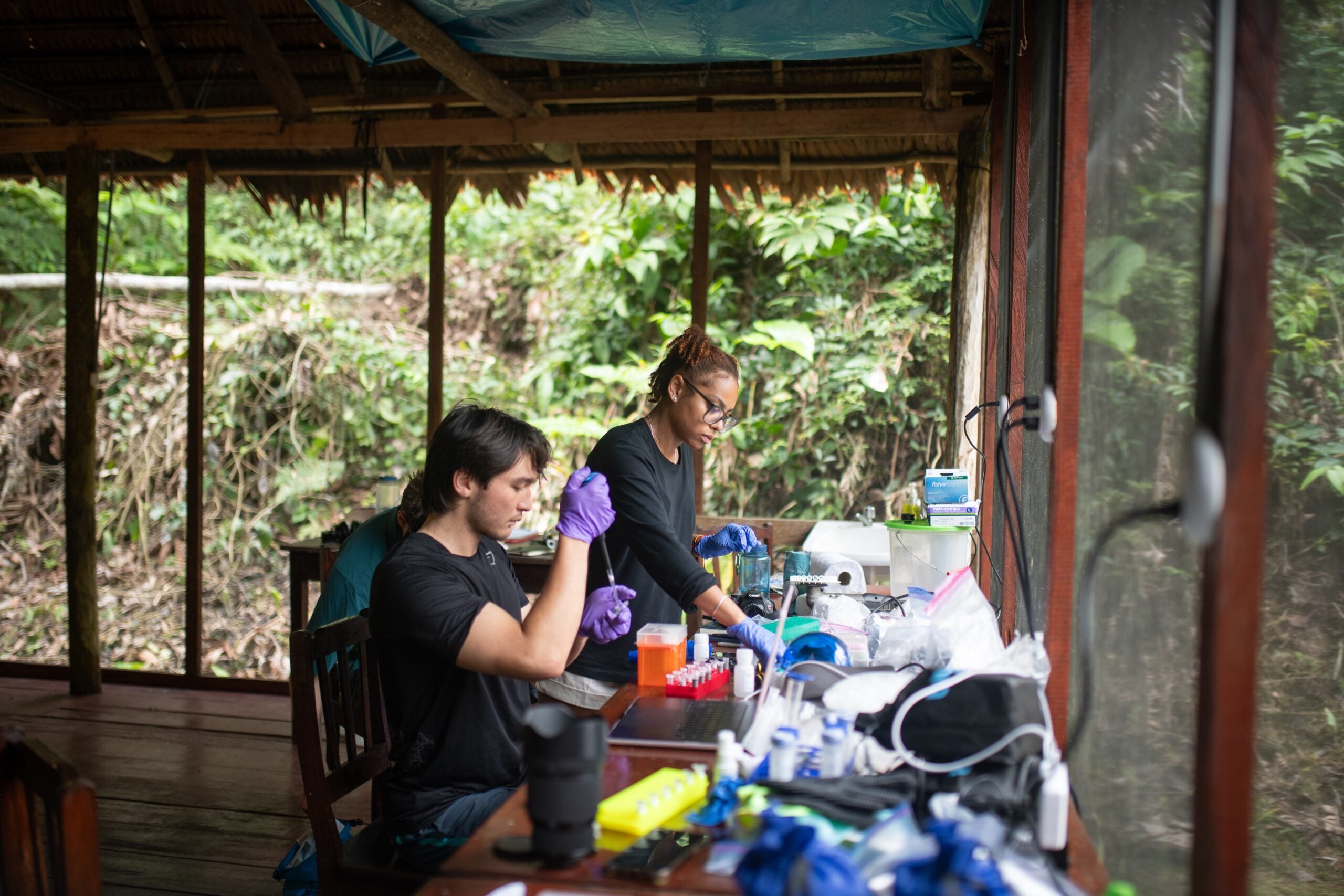
Students in the Amazon conducting fieldwork with Professor Brian Griffiths in the summer of 2025.
Slide2 of 5
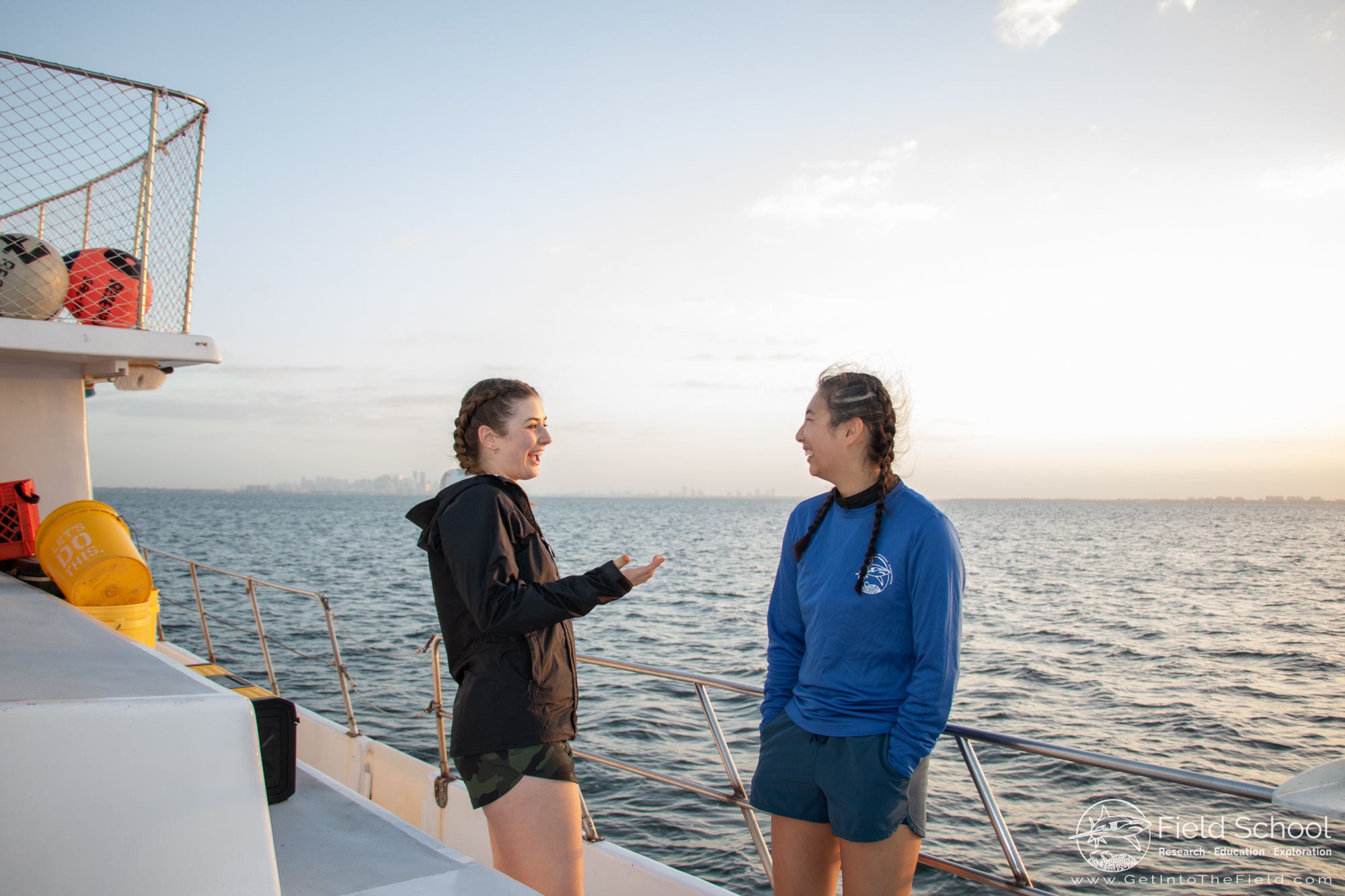
Students off the coast of Florida in the “Methods in Marine Field Research Methods” course taught by Professor Jesse Meiller.
Slide3 of 5
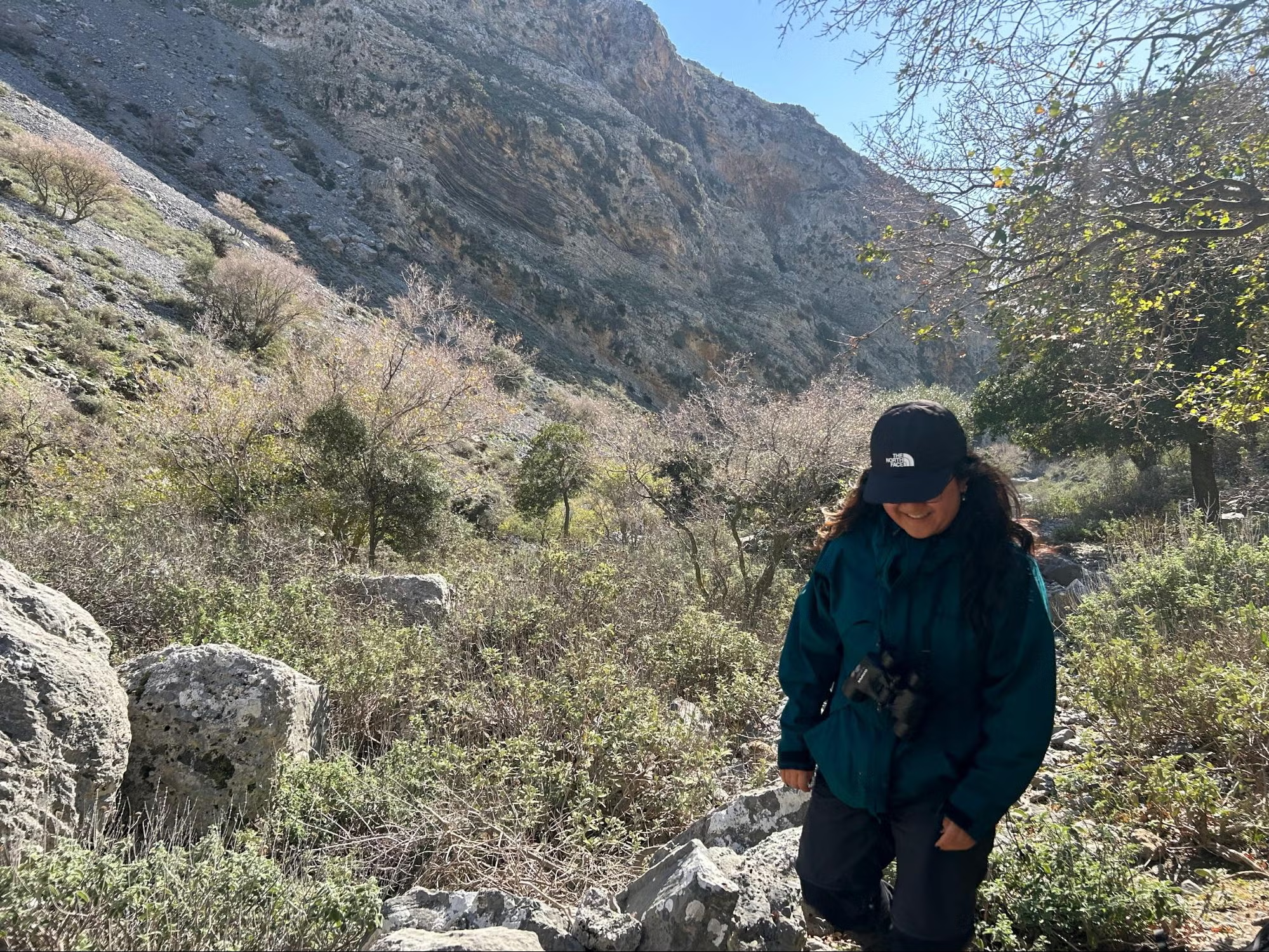
Diane Li explores on time off from her internship experience in Greece.
Slide4 of 5
Slide5 of 5
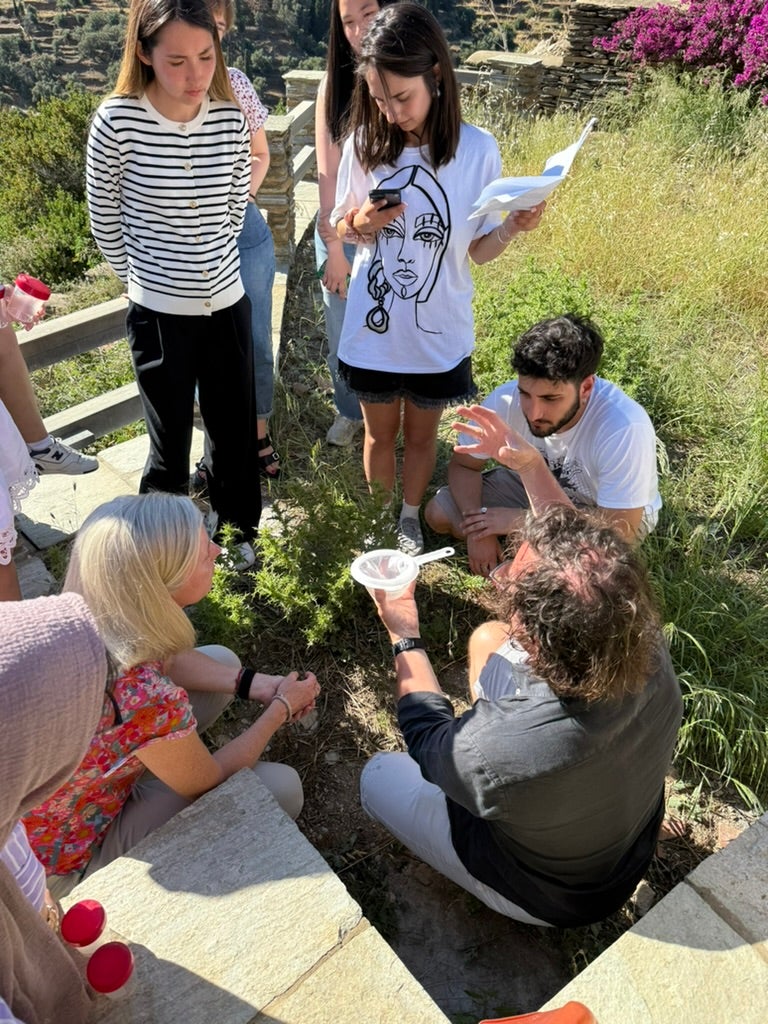
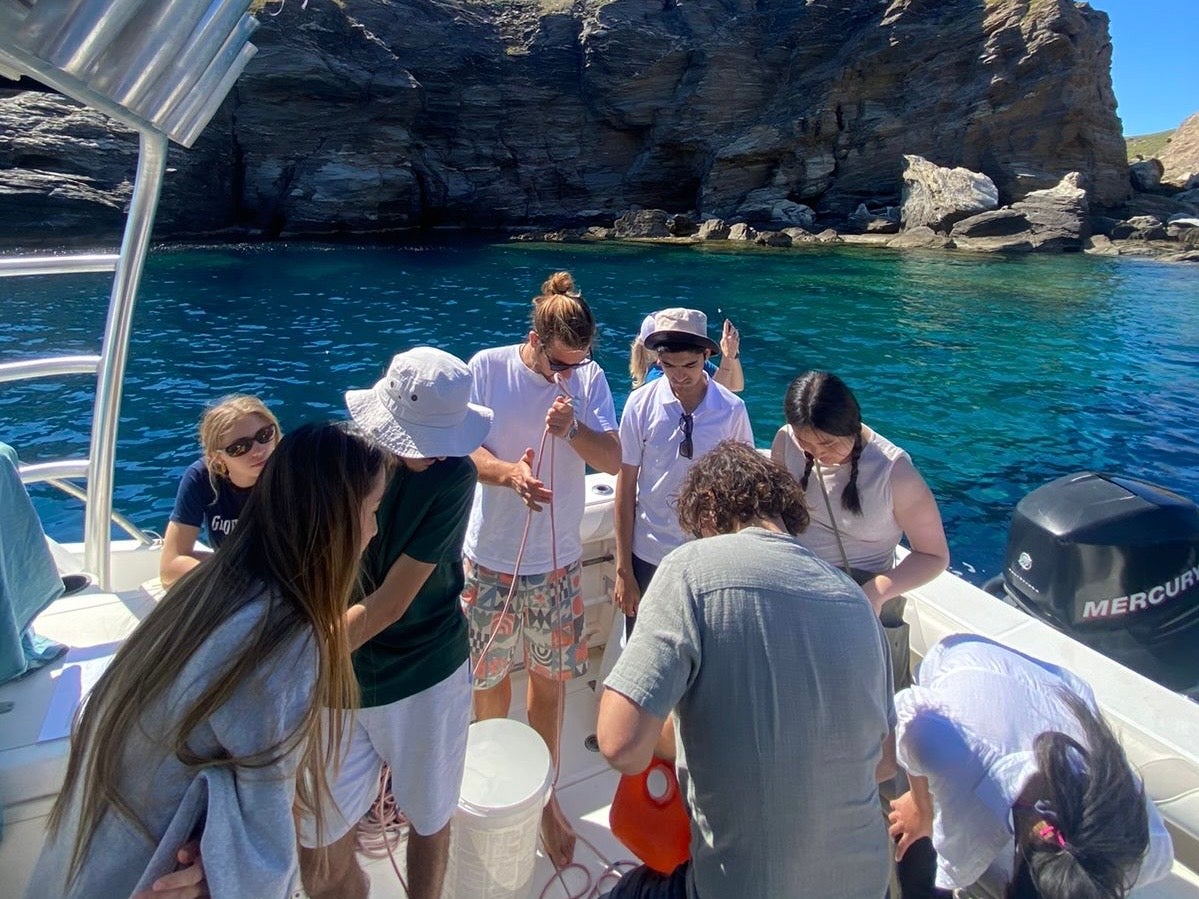
Students in the “Sensing Marine Ecosystem Health & Climate Impact from Space” course held in Greece.
End of carousel collection.
Environmental Learning Around the World
The BS-ES experience also extends far beyond DC. Students participate in environmental courses, research, internships, and immersions in the US and abroad—from studying marine ecosystems and remote sensing in Greece to community-based sustainability work in the Yucatán. Students work with faculty, researchers, organizations, and communities to understand environmental issues in place and see how different scientific, political, cultural, and social contexts shape both problems and possible responses.
During their third and fourth years, BS-ES students transition to Georgetown’s Capitol Campus in downtown Washington, DC. The move is part of the academic design of the program. After establishing their foundations on the Hilltop, students are positioned closer to the government agencies, NGOs, international organizations, companies, researchers, and communities working on environmental issues in the nation’s capital. Students connect coursework with internships, professional development, research, and engagement with environmental decision-makers. It’s a different setting for a different stage of the degree: the Hilltop for building foundations; the Capitol Campus for putting them to work.
BS-ES draws on the breadth of environmental expertise across Georgetown and the Earth Commons, Georgetown University’s Institute for Environment & Sustainability. Faculty including Peter Marra, Rebecca Helm, Marcus King, and Tim Bartley contribute expertise spanning conservation biology, marine science, environmental security, governance, and sociology. Students also engage with faculty and coursework across Georgetown, reinforcing the interdisciplinary foundation of the degree.
Environmental work asks people to engage with problems that are complex, evolving, and often difficult. For that reason, BS-ES pairs academic and professional preparation with personal formation. Through coursework, mentorship, reflection, peer leadership, community engagement, and connection with the natural world, students develop agency, adaptability, resilience, and ecological belonging. The goal is to prepare students with the knowledge and skills to contribute, and the endurance to remain engaged over the course of a career.
Is this environmental science or environmental studies?
BS-ES is a Bachelor of Science in Environment & Sustainability. Students build a rigorous foundation in environmental science and scientific methods while also studying the policy, justice, ethical, and cultural dimensions of environmental challenges.
The program is intentionally designed to connect those perspectives rather than requiring students to choose between them.
Is BS-ES a STEM degree?
Yes. Students complete foundational environmental science courses and laboratories and develop quantitative and methodological skills through coursework and experiences that can include statistics, GIS, remote sensing, data analysis, field research, and scientific communication.
There isn’t one prescribed career path. BS-ES prepares students with scientific and environmental fluency alongside analytical, quantitative, communication, leadership, and interdisciplinary skills.
Those skills can be applied in environmental science and conservation as well as government, policy, international affairs, business, health, law, communications, research, technology, and graduate study.
The two-campus model reflects the progression of the degree. Students spend their first two years primarily on the Hilltop building their academic foundation and Georgetown community. In years three and four, they transition to the Capitol Campus as their studies increasingly connect with professional experience, policy, research, and Washington’s environmental ecosystem.
If you’re interested in environmental questions but aren’t yet sure exactly where they will take you, that’s a good place to begin.
BS-ES gives you the foundation to explore those questions seriously, the flexibility to build a path around what you discover, and the experience and community to put your education into practice.